Maybe meals cost more than you expected. You spend almost nothing on transportation one day and twice as much the next. Something comes up that you didn’t plan for and you decide it’s worth the money.
You don’t need to account for every cent. You just need enough of a handle on your spending to know when things are drifting and whether you want to do anything about it.
Watch the costs that are easy to miss
Some expenses barely register when you’re paying them, especially when you’re dealing with unfamiliar currency.
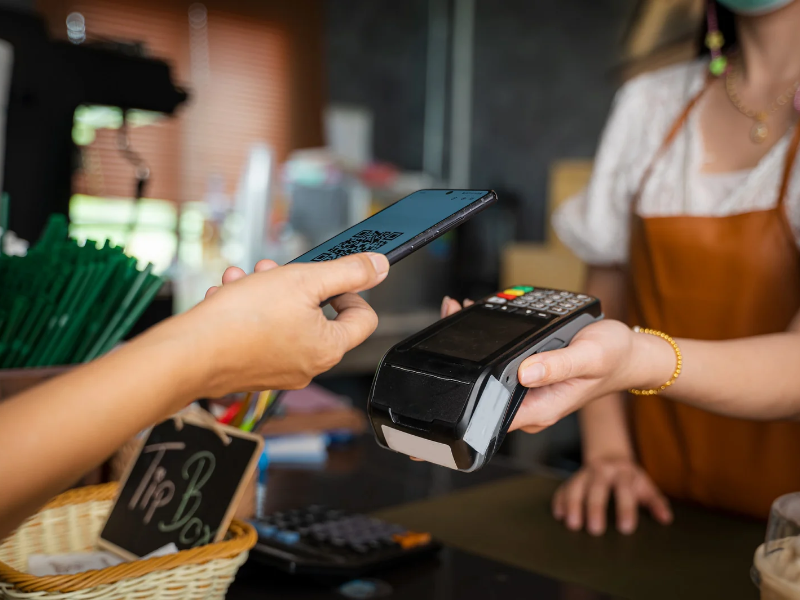
ATM charges, foreign transaction fees, bad exchange rates, small convenience purchases, and choosing to pay in your home currency can all take a little more out of the budget than you intended.
Know how your cards work abroad, use local currency when you’re given the choice, and pay attention to fees before accepting a transaction. You don’t need to optimize every purchase. Just don’t let avoidable costs quietly take up money you’d rather spend somewhere else.
- The Real Cost of Using Your Debit Card Overseas (We Did the Math) [Love and Road]
- How I Manage My Money Across 60 Countries Without Losing a Fortune in Fees [Pommie Travels]
- 10 Ways You’re Spending More on Vacation Than Travel Experts [Fodor's]
Look at the spending you do every day
Food, local transportation, drinks, snacks, and little purchases can end up having more impact on your budget than the occasional big expense. That doesn’t mean cutting everything. It means noticing where you’re spending money without getting much from it.
Maybe breakfast from the bakery is just as good as the hotel buffet. Maybe public transit works perfectly well instead of another taxi. Or maybe the expensive dinner is one of the things you’ve been looking forward to and is exactly where you want the money to go.
When you need to bring spending down, the things you buy repeatedly are usually the easiest place to look.
- How to Eat Cheap Around the World [Nomadic Matt]
- How to Travel on a Shoestring Budget: A Practical Guide [In Your Pocket]
- Eating Well at the Airport for Under $15 [Smarter Travel]
- 36 Real Ways to Save Money While Traveling [Half Half Travel]
Adjust before the budget becomes a problem
A travel budget doesn’t have to work perfectly every day. If you spend more than expected early on, look at what’s still ahead. You might decide to spend less somewhere else, skip something you weren’t that excited about, or accept that the trip is going to cost a little more.
The useful part is catching it while you still have choices. And if you’re coming in under budget, that’s useful information too. Maybe there’s room for something you originally thought was too expensive.
Track enough to know where you stand
You can track every purchase if that helps you. You can also keep it much simpler. A budgeting app, notes on your phone, a spreadsheet, or a quick check of your accounts every few days can be enough.
What matters is being able to tell roughly what you’ve spent and how much room you still have. If tracking every coffee starts making travel feel like bookkeeping, back off. The goal is to give yourself useful information, not another job.
- How to Track Expenses While Traveling [Financial Aha!]
- Why You Need to Download TravelSpend For Your Next Adventure [Runaway Traveller]
Get all my how to travel resources
Want to read more bite-size insights? Check out the How To Travel Collection.
 Feral Travel
Want to see all my resources in one place? Sign up free to access the How To Travel Hub.
 Feral Travel